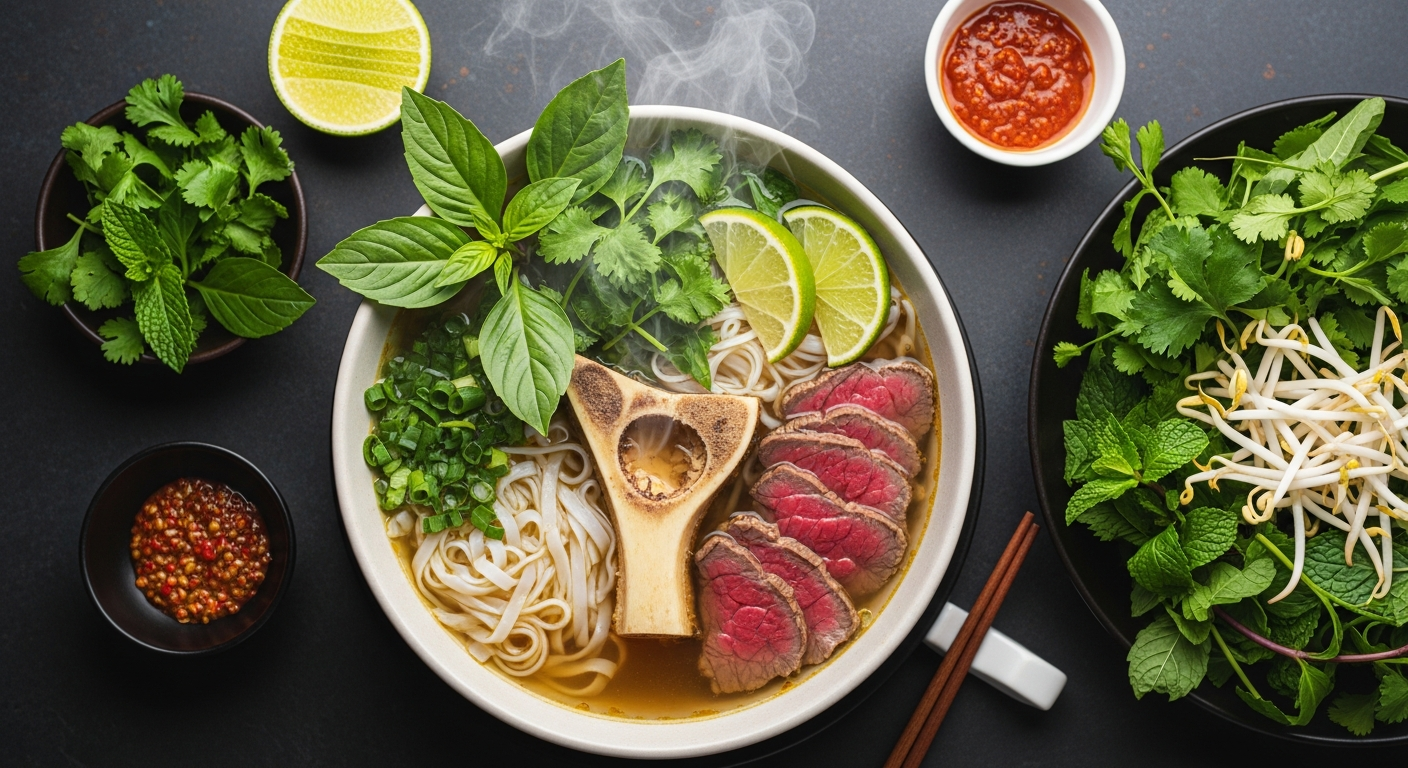
Pho Nutrition Overview: Why This Vietnamese Soup Stands Out
Pho (pronounced "fuh") is far more than a simple bowl of soup. This Vietnamese national dish is a carefully balanced meal that has nourished generations for over a century. Unlike many Western comfort foods, pho delivers substantial nutrition without excessive calories, processed ingredients, or heavy sauces.
What makes pho uniquely healthy is the combination of its core components: a bone broth simmered for 12 or more hours to extract maximum nutrition, lean protein from beef or chicken, rice noodles that provide clean carbohydrate energy, and a generous plate of fresh herbs and vegetables that add vitamins, minerals, and phytonutrients with almost zero calories.
At Pho By Night, our family has been making pho the traditional way for over 26 years in Ottawa's ByWard Market. Every bowl starts with bones and whole spices — never from a packet or shortcut. This traditional approach is not just about flavour; it is the foundation of pho's health benefits.
Let's break down exactly what makes pho healthy, backed by nutrition science and traditional Vietnamese food wisdom.
Pho Calories & Macronutrient Breakdown
One of the most common questions about pho is how many calories it contains. The answer depends on the type of pho, the portion size, and the specific meat cuts. Here is a comprehensive breakdown of the most popular varieties:
| Type | Calories | Protein | Fat | Carbs | Sodium |
|---|---|---|---|---|---|
| Beef Pho (Pho Bo) | 450-550 | 30-40g | 8-15g | 45-55g | 1,000-1,400mg |
| Chicken Pho (Pho Ga) | 350-450 | 25-35g | 5-10g | 40-50g | 900-1,300mg |
| Pho Dac Biet (Special) | 500-650 | 35-45g | 12-20g | 45-55g | 1,100-1,500mg |
| Vegetable Pho | 250-350 | 8-12g | 3-6g | 45-55g | 800-1,100mg |
| Pho Broth Only (1 cup) | 10-15 | 1-2g | 0-1g | 1-2g | 300-500mg |
For context, a typical bowl of ramen contains 500 to 800 calories with significantly more fat (often 20 to 30 grams) due to the rich, fatty broth and toppings like chashu pork and soft-boiled eggs. A plate of pasta with sauce averages 600 to 900 calories. Pho delivers comparable satiety with fewer calories and more balanced nutrition.
The protein content of pho is particularly noteworthy. With 25 to 45 grams of complete protein per bowl, pho provides more protein than most salads and many sandwich options. This makes it an excellent post-workout recovery meal. Learn more about the different meat options in our Pho Dac Biet guide.
The Health Benefits of Pho Bone Broth
The heart and soul of pho is its broth — and it is also where most of the health benefits come from. Traditional pho broth is made by simmering beef or chicken bones for a minimum of 12 hours (some recipes call for up to 24 hours). This extended cooking time is not arbitrary; it is necessary to extract the maximum amount of nutrients from the bones.
Collagen & Gelatin
Slow simmering breaks down collagen in bones into gelatin, which supports skin elasticity, joint health, and gut lining integrity. Gelatin also makes the broth feel rich and silky without adding fat.
Amino Acids
Bone broth is rich in glycine, proline, and glutamine — amino acids that support immune function, muscle repair, and digestive health. Glycine also promotes better sleep quality.
Minerals
The long simmer extracts calcium, magnesium, phosphorus, and potassium from the bones. These minerals support bone density, nerve function, and electrolyte balance.
Glucosamine & Chondroitin
Naturally present in bone broth, these compounds support joint cartilage and may help reduce joint pain and stiffness — the same compounds sold as expensive supplements.
A 2019 study published in the Journal of Clinical Medicine confirmed that bone broth consumption is associated with improved joint comfort and reduced markers of inflammation. This scientific backing validates what Vietnamese families have known for generations: a good pho broth is medicine.
Pho's Anti-Inflammatory Spice Arsenal
Traditional pho broth is seasoned with a blend of whole spices that are not just flavour builders — they are potent anti-inflammatory and antioxidant agents. These spices are charred and toasted before being added to the broth, which activates their beneficial compounds.
Ginger (Gung)
Contains gingerols and shogaols, which are among the most well-studied natural anti-inflammatory compounds. Research shows ginger can reduce muscle pain by 25%, lower nausea, and support immune function.
Star Anise (Hoi)
Rich in shikimic acid (the base compound for Tamiflu), star anise has documented antiviral and antibacterial properties. It also contains anethole, which has anti-inflammatory and anti-cancer properties in laboratory studies.
Cinnamon (Que)
Contains cinnamaldehyde, which reduces inflammation and may help regulate blood sugar levels. Studies suggest cinnamon can improve insulin sensitivity by 10 to 29 percent.
Cloves (Dinh Huong)
One of the highest antioxidant foods measured by ORAC score. Cloves contain eugenol, a powerful anti-inflammatory compound also used in dental medicine for pain relief.
Coriander Seeds (Hat Ngo)
Rich in linalool, a compound with documented anti-anxiety and anti-inflammatory effects. Coriander also supports healthy digestion and may help lower cholesterol.
This is one of the key reasons why pho is so effective when you are sick. The combination of warm broth, anti-inflammatory ginger, antiviral star anise, and immune-supporting cinnamon creates a natural remedy that rivals over-the-counter cold treatments — without any side effects.
Pho for Weight Loss: Why Dietitians Recommend It
Pho has several characteristics that make it an excellent food for weight management, and dietitians increasingly recommend it as a balanced, satisfying meal option.
High water content increases volume and satiety without adding calories
Strong protein content (25-40g) promotes fullness and muscle maintenance
Low fat content compared to ramen, pasta, and most takeout options
Fresh herbs and vegetables add nutrients and fibre with negligible calories
Warm broth encourages slower eating, allowing your brain time to register fullness
Natural umami flavour satisfies cravings without needing heavy sauces or cheese
Customizable portions — you control the amount of noodles and protein
A practical weight-loss strategy with pho is to ask for noodles on the side or request a smaller portion of noodles and extra vegetables. At Pho By Night, we are happy to customize your bowl. You can also try our Build Your Pho tool to see different combinations and estimated nutrition.
Compared to other popular lunch or dinner options — a burger and fries (900-1,200 calories), a burrito bowl (700-1,000 calories), or pad thai (600-900 calories) — a bowl of pho at 350 to 550 calories is remarkably calorie-efficient for the satiety and nutrition it provides.
Pho for Gut Health and Digestion
Pho is exceptionally gentle on the digestive system, which is one reason it is the go-to food in Vietnamese culture for recovery from illness, pregnancy, and digestive distress. Several components of pho actively support gut health:
Gelatin from bone broth acts as a natural sealant for the gut lining. Research published in the Journal of Clinical Gastroenterology found that gelatin can help restore the mucosal lining of the stomach and intestines, potentially benefiting those with leaky gut or irritable bowel syndrome.
Glutamine, the most abundant amino acid in bone broth, is the primary fuel source for the cells lining your intestines. Supplemental glutamine is widely used in clinical nutrition to support gut barrier function — and pho broth provides it naturally.
Ginger in the broth stimulates gastric motility, helping food move through the digestive tract more efficiently. This is why ginger is prescribed in traditional medicine for nausea and bloating.
Rice noodles are one of the easiest-to-digest carbohydrate sources. Unlike wheat pasta, rice noodles are naturally gluten-free and tend to cause less bloating and digestive discomfort in sensitive individuals.
Hydration and Recovery: Why Pho Is a Top Recovery Food
Pho is one of the most effective foods for rehydration. A large bowl of pho contains approximately 2 to 3 cups (500 to 750 ml) of broth, which provides not just water but also electrolytes — sodium, potassium, and trace minerals — that plain water alone cannot deliver.
This electrolyte-rich broth is why pho is recommended for recovery in multiple scenarios: after intense exercise (replenishing sweat-lost minerals), during illness (when fever and poor appetite lead to dehydration), and yes, after a night of drinking (where alcohol's diuretic effect depletes fluids and minerals).
The warm temperature of pho also aids absorption. Research suggests that warm fluids are absorbed more efficiently by the body than cold fluids, and the salt content in the broth helps your body retain that hydration rather than simply passing it through.
Athletes and fitness enthusiasts are increasingly turning to bone broth and pho as a recovery meal. The combination of protein for muscle repair, carbohydrates for glycogen replenishment, fluids for rehydration, and anti-inflammatory compounds for reducing exercise-induced inflammation makes it one of the most complete post-workout foods available.
Chicken Pho vs Beef Pho: Which Is Healthier?
Both chicken pho (pho ga) and beef pho (pho bo) are healthy options, but they have different nutritional profiles that may make one better suited to your goals:
Chicken Pho (Pho Ga)
- Lower in calories (350-450 per bowl)
- Lower in saturated fat
- Lighter, clearer broth
- Better for calorie-conscious eating
- Traditionally preferred when sick
Beef Pho (Pho Bo)
- Higher in iron and zinc
- More vitamin B12 (crucial for energy)
- Richer, more complex broth flavour
- Better for iron-deficient individuals
- More collagen from beef bones
The bottom line: if you are watching calories or recovering from illness, chicken pho is the lighter choice. If you need more iron, B12, or a richer collagen profile, beef pho is your best bet. Either way, you are getting a balanced, nutrient-dense meal. At Pho By Night, all of our beef and chicken are halal certified, so you can make your choice based on nutrition rather than dietary restriction.
Sodium in Pho: The Full Picture
The most common nutritional concern about pho is sodium. It is a fair question — a typical bowl of restaurant pho contains 1,000 to 1,500 mg of sodium, which represents 40 to 65 percent of the recommended daily intake of 2,300 mg.
However, context matters. The sodium in pho broth comes primarily from added salt during the cooking process, and at Pho By Night, our 12+ hour slow-simmered broth develops deep, complex flavour from the bones and spices themselves, which means we do not need to rely as heavily on salt as restaurants using shortcuts or bouillon cubes.
Additionally, you control how much sodium you actually consume. Not everyone drinks every drop of broth. If sodium is a concern, you can enjoy the noodles, meat, and herbs with moderate sips of broth, significantly reducing your total sodium intake.
Tips to Reduce Sodium in Your Pho
- Skip the hoisin sauce and Sriracha (they add more sodium)
- Squeeze fresh lime for flavour instead of adding fish sauce at the table
- Eat the noodles, meat, and herbs but sip the broth moderately
- Load up on fresh herbs — they add intense flavour with zero sodium
- Stay well-hydrated throughout the day to help balance sodium levels
For perspective, a single Big Mac contains 1,010 mg of sodium, a serving of canned soup averages 800 to 1,000 mg, and a typical restaurant pasta dish contains 1,200 to 1,800 mg. Pho's sodium content is comparable or lower while delivering significantly more nutrition.
Is Pho Gluten Free?
Traditional Vietnamese pho is naturally gluten free. The noodles (banh pho) are made from rice flour and water — no wheat is involved. The broth is made from bones, water, and whole spices, none of which contain gluten. The fresh herb garnishes are all naturally gluten free as well.
However, there is an important caveat: some restaurants may add soy sauce (which typically contains wheat) or use pre-made broth bases that include gluten-containing ingredients. Some hoisin sauces also contain wheat flour.
At Pho By Night, our pho broth is made from scratch using traditional methods with whole, naturally gluten-free ingredients. If you have celiac disease or a severe gluten sensitivity, we recommend asking your server about specific sauces and condiments, as some table condiments may contain gluten. Our staff is trained to accommodate dietary needs. We also offer a range of vegan and vegetarian options for those with other dietary preferences.
How to Make Your Bowl of Pho Even Healthier
Pho is already a nutritious meal, but with a few simple choices you can optimize your bowl for your specific health goals. Here are expert tips from our kitchen and nutrition-minded customers:
Load Up on Fresh Herbs
Thai basil, cilantro, mint, and bean sprouts add vitamins A, C, and K with almost zero calories. They also provide antioxidants and digestive enzymes. Don't skip the garnish plate — it is where much of the nutrition lives.
Choose Lean Cuts
Opt for eye round (tai), flank (nam), or chicken breast for the leanest protein options. These cuts provide excellent protein with minimal saturated fat.
Squeeze Fresh Lime
Lime juice adds vitamin C, aids iron absorption from the beef, and provides bright flavour without any sodium. Squeeze at least half a lime into every bowl.
Control Your Noodle Portion
Ask for a smaller portion of noodles and extra vegetables if you are watching carbohydrate intake. The broth and protein are the most nutritious parts of the bowl.
For a deep dive into all the fresh ingredients that go into and alongside your bowl, check out our complete pho toppings and garnishes guide.
Frequently Asked Questions About Pho Nutrition
Is pho healthy?
Yes, pho is generally a healthy meal. A typical bowl contains lean protein, rice noodles, nutrient-rich bone broth, and fresh herbs and vegetables. It provides hydration, essential amino acids, vitamins, and minerals while being lower in calories than many comparable dishes like ramen or pasta.
How many calories are in a bowl of pho?
A standard bowl of beef pho (pho bo) contains approximately 350 to 500 calories depending on portion size and meat cuts. Chicken pho (pho ga) is slightly lower at 300 to 450 calories. The broth itself is only about 10 to 15 calories per cup, making it one of the lightest soup bases available.
Is pho good for weight loss?
Pho can be an excellent choice for weight loss. It is high in water content and protein, both of which promote satiety. A bowl of pho is typically 350 to 500 calories with 25 to 35 grams of protein. To maximize weight loss benefits, choose lean cuts, load up on fresh herbs and vegetables, and enjoy the broth-based soup which helps you feel full on fewer calories.
Is pho high in sodium?
Restaurant pho can contain 1,000 to 1,500 mg of sodium per serving, primarily from the broth. However, at Pho By Night, our broth is slow-simmered for 12 or more hours with real bones and whole spices, which produces deep flavour naturally without relying heavily on added salt. You also control how much broth you consume, and the fresh herbs and lime add flavour without sodium.
Is pho anti-inflammatory?
Yes. Traditional pho broth contains several anti-inflammatory ingredients including ginger, star anise, cinnamon, cloves, and bone marrow. Ginger in particular contains gingerols and shogaols, which are well-studied anti-inflammatory compounds. The fresh herbs served alongside — especially Thai basil and cilantro — also have documented anti-inflammatory properties.
Is pho broth good for you?
Pho broth is one of the most nutritious soup bases in any cuisine. Bone broth simmered for 12 or more hours extracts collagen, glycine, proline, glucosamine, and chondroitin from the bones. These compounds support joint health, gut lining integrity, skin elasticity, and immune function. The aromatic spices add antioxidant and anti-inflammatory benefits.
Is chicken pho healthier than beef pho?
Chicken pho (pho ga) is slightly lower in calories and saturated fat compared to beef pho (pho bo). However, beef pho provides more iron, zinc, and B12. Both are healthy choices — the best option depends on your nutritional goals. Chicken pho is better for calorie-conscious diners, while beef pho offers more minerals.
Is pho gluten free?
Traditional pho is naturally gluten free. The noodles are made from rice flour and water, and the broth is made from bones, water, and whole spices. However, some restaurants may use soy sauce or other gluten-containing seasonings in their broth. At Pho By Night, our traditional recipe uses gluten-free ingredients.
Is pho good for gut health?
Yes. Bone broth contains gelatin and the amino acid glutamine, both of which support the integrity of the intestinal lining. The warm broth is easy to digest, and the fresh herbs (especially cilantro and Thai basil) provide additional digestive benefits. Pho is often recommended as a gentle food for those with digestive sensitivity.
Is pho hydrating?
Pho is one of the most hydrating meals you can eat. A large bowl contains 2 to 3 cups of broth, which provides water, electrolytes (sodium and potassium), and minerals. This combination makes pho excellent for rehydration, which is one reason it is so popular as a recovery food after illness, exercise, or a night out.
Taste the Healthiest Pho in Ottawa
At Pho By Night, every bowl starts with a 12+ hour slow-simmered bone broth made from halal-certified beef or chicken. No shortcuts, no MSG, no bouillon cubes — just real bones, whole spices, and 26 years of family tradition in ByWard Market.
Share This Guide
Related Articles
Asian Noodle Soups Compared
Pho, ramen, tom yum, udon: complete nutrition and flavour comparison
Best Pho Near Me
How to find authentic Vietnamese pho anywhere — and the signs of shortcuts
How to Pronounce Pho
It's "fuh" — the complete pronunciation guide with audio
Best Pho Restaurants in Ottawa
A locals' honest ranking of Ottawa's top pho spots
Pho vs Ramen: Which Is Healthier?
A complete nutritional comparison of the two Asian soup titans
What Is Pho Dac Biet?
The special combo pho — all five meat cuts explained