The History of Phở
A journey spanning over a century—from the streets of Hanoi to tables around the world
A Fusion of Cultures
Phở tells the story of Vietnam—colonial influence, regional diversity, wartime resilience, and global diaspora. What began as a way to use French beef scraps evolved into an international culinary phenomenon in just over a century.
The Name's Origin
The word 'phở' has two competing origin theories. Some say it derives from 'phấn,' the Vietnamese pronunciation of 'fěn' (Chinese for flat rice noodle). Others suggest it comes from 'feu' (fire) in 'pot-au-feu,' the French beef stew.
National Dish
Phở is considered Vietnam's national dish. December 12 was declared 'Day of Phở' in Vietnam in 2017. Over 700 phở restaurants exist in Hanoi alone, and millions enjoy it worldwide every day.
The Journey Through Time
Over a century of culinary evolution
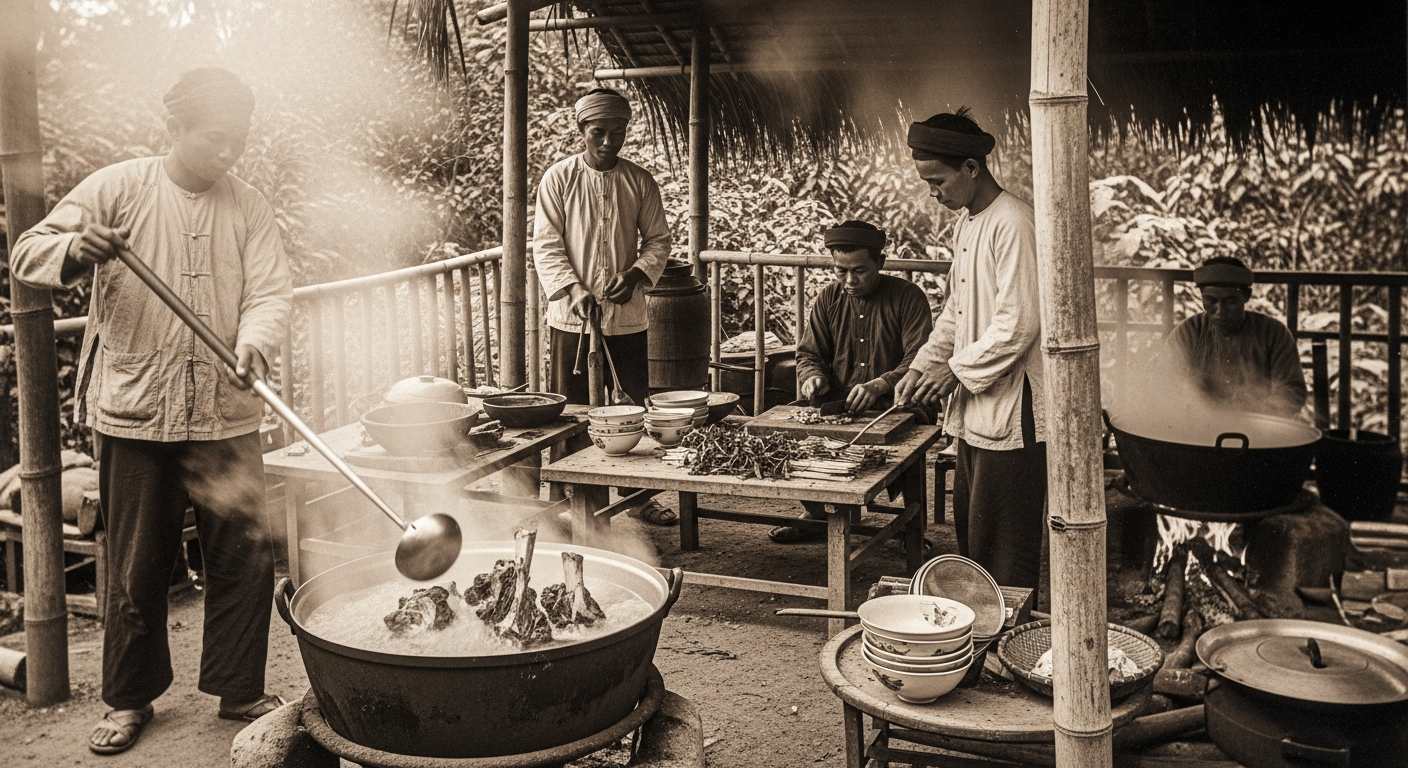
The Birth of Phở
Phở originated in the late 1890s in Nam Định province, about 50 miles from Hanoi. When French laborers arrived in 1898 to build a major textile plant, they introduced beef consumption to Vietnam. Resourceful Vietnamese cooks took the leftover beef bones and scraps discarded by the French and created the first phở broth, combining it with flat rice noodles—a true fusion of French and Vietnamese culinary traditions.
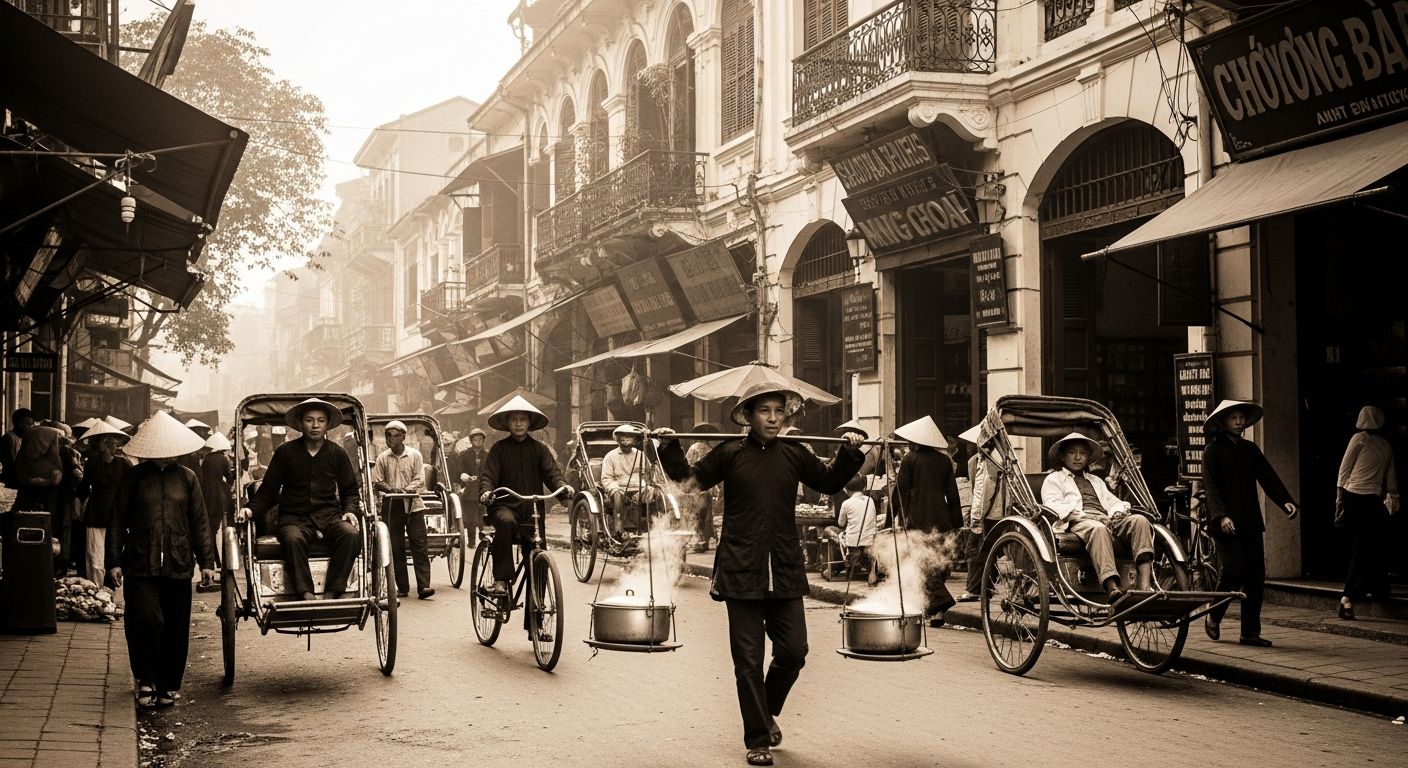
Rise in Hanoi
When workers traveled to Hanoi for construction projects like the Long Biên Bridge, phở vendors followed. By the 1930s, 'gánh phở' (mobile kitchens on bamboo poles) became common sights in the Old Quarter. The classic Hanoi style developed—clear, delicate broth with subtle flavors, charred onion and ginger, and aromatic spices like star anise, cinnamon, and cardamom.
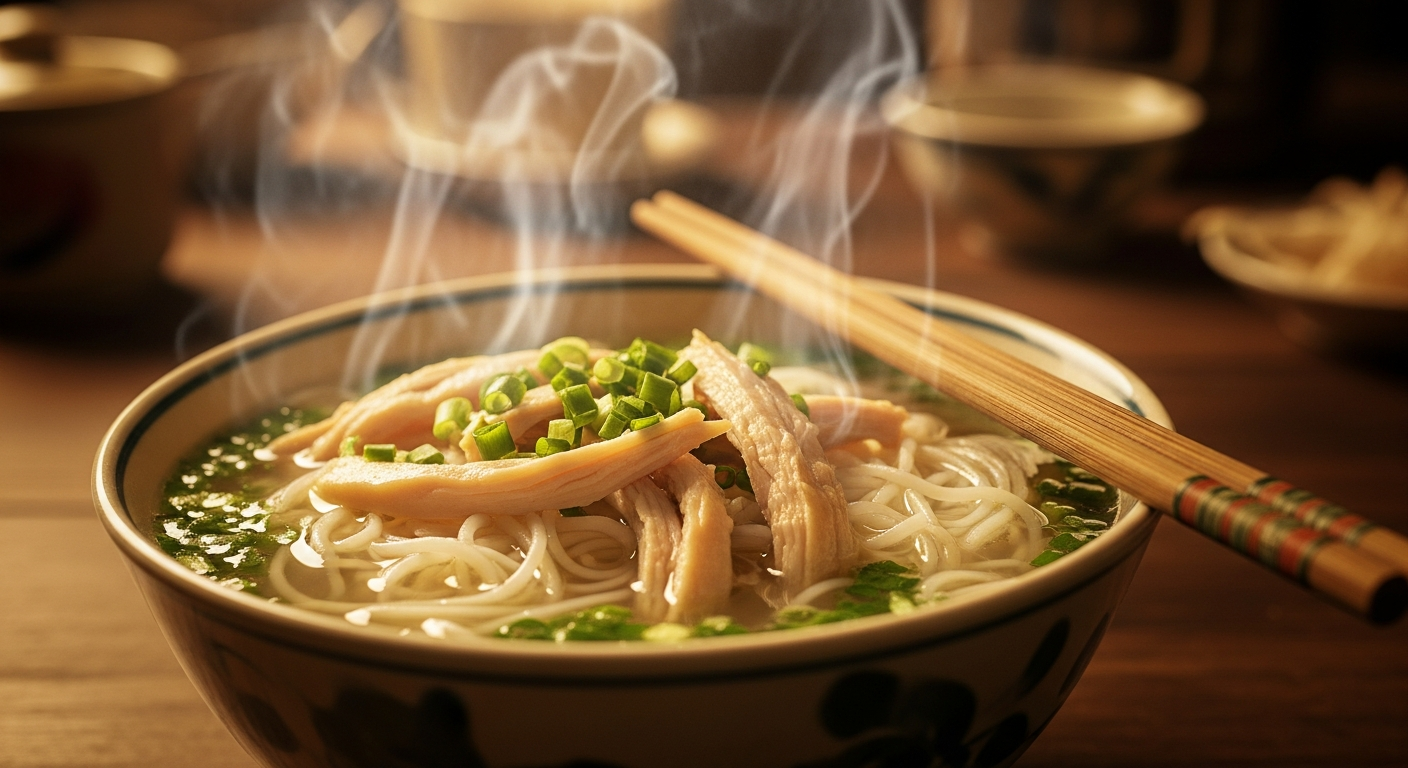
Birth of Chicken Phở
During the mid-to-late 1930s, French colonial authorities restricted beef sales to preserve cattle for agriculture. Vietnamese vendors ingeniously substituted chicken, creating 'phở gà' (chicken phở)—a lighter, equally delicious variation that remains beloved today.
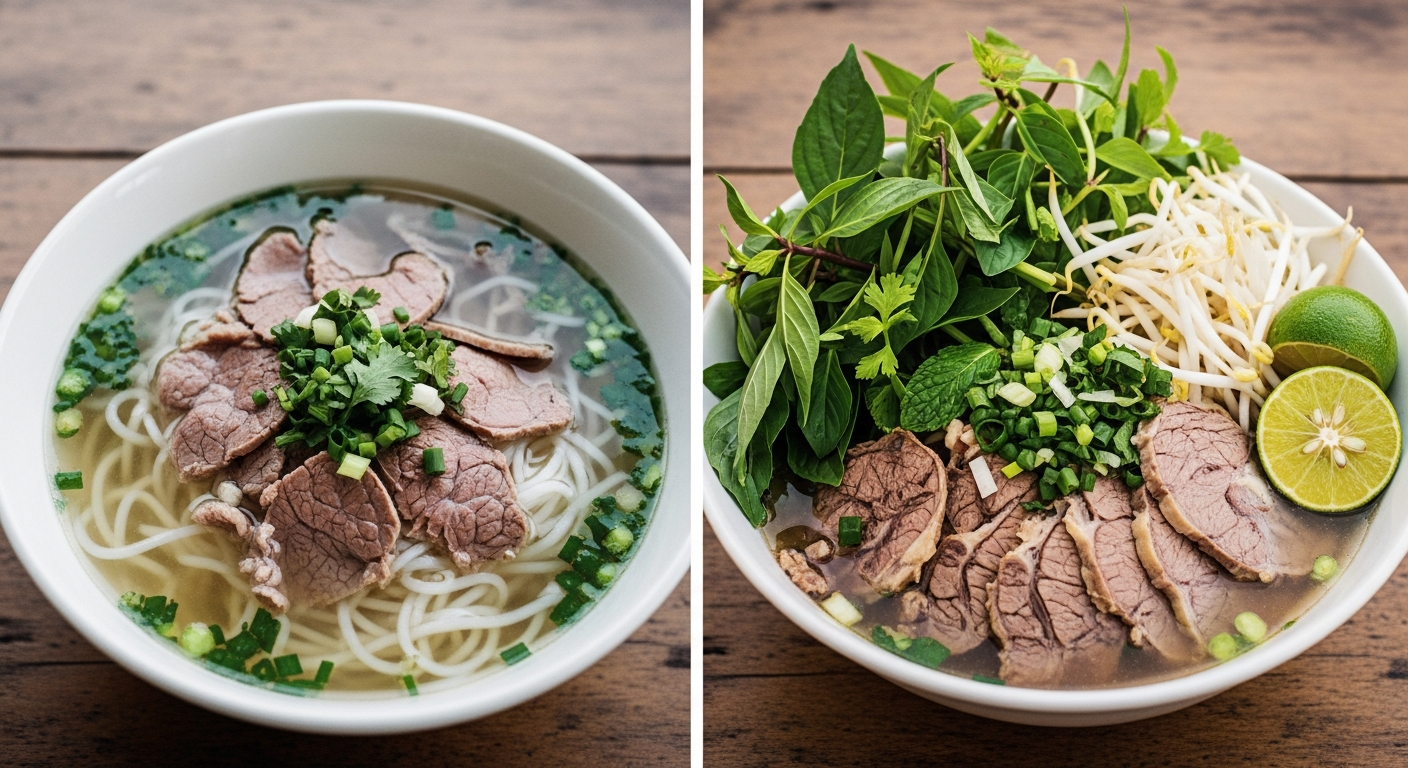
The Great Migration
The 1954 Geneva Accords divided Vietnam. Nearly a million Northerners migrated south, bringing phở with them. In the more abundant South, chefs adapted phở dramatically—sweeter, more robust broth, extensive fresh herbs (Thai basil, cilantro, bean sprouts), and wider noodles. This created the distinct regional styles we know today.
Global Phenomenon
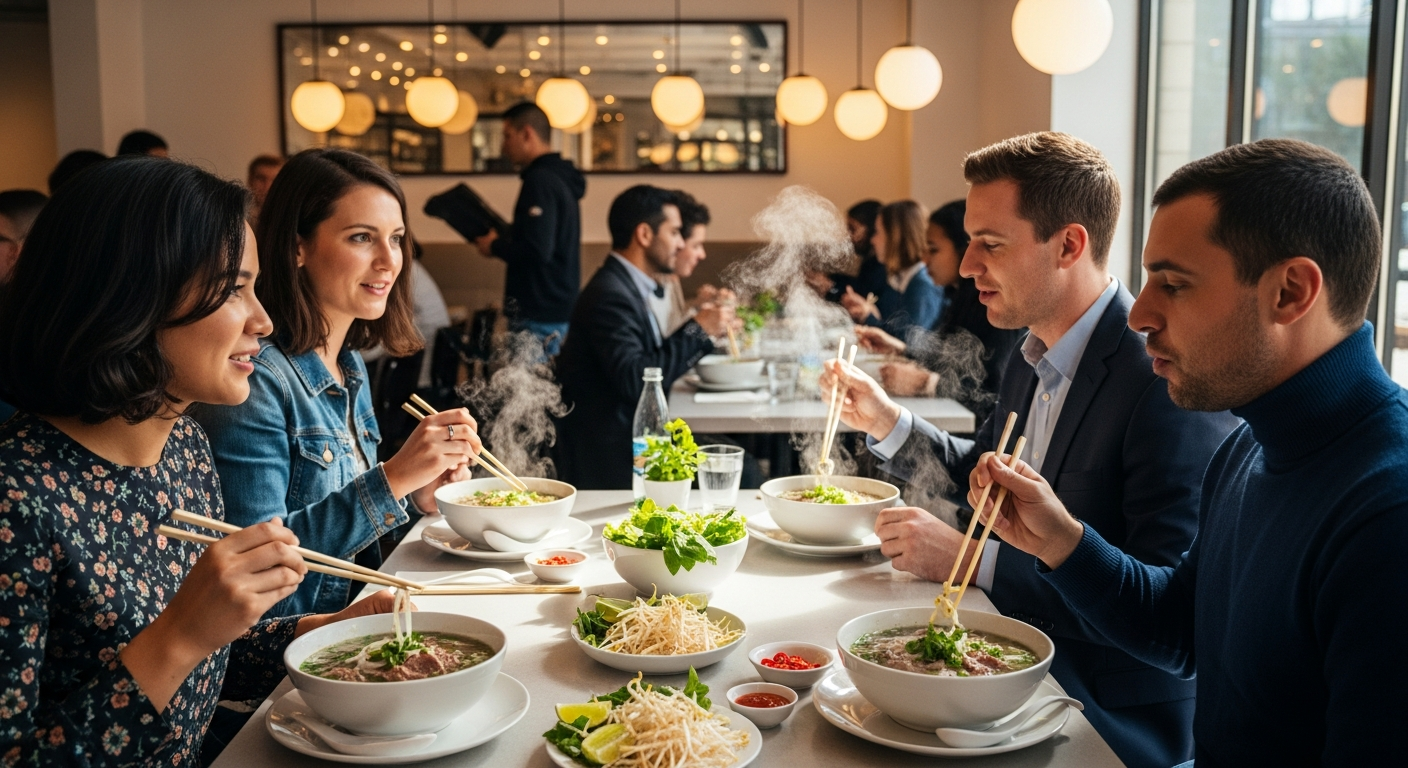
The Fall of Saigon in 1975 created massive refugee waves. Vietnamese emigrants brought phở to the United States, Australia, France, Canada, and beyond. Today, phở is recognized as Vietnam's national dish, with December 12 declared 'Day of Phở' in Vietnam. Over 700 phở restaurants exist in Hanoi alone, and millions enjoy it worldwide.
North vs South: Two Styles
Hanoi Style
Northern Vietnam
- •Clear, light, savory broth
- •Minimal garnishes
- •Narrower noodles
- •Purity of broth valued above all
Saigon Style
Southern Vietnam
- •Sweeter, more robust broth
- •Abundant fresh herbs
- •Wider, flatter noodles
- •Hoisin and sriracha on the side
Experience the History
At Pho By Night, we honor this century-old tradition while adding our modern touch. Every bowl tells a story—come taste history.
"Rice is the dutiful wife you can rely on; phở is the flirty mistress you slip away to visit."
— Vietnamese Proverb